.jpg)


Leaky Gut, Gluten Intolerance and Celiac Disease
Updated: Jan 17, 2021
Over the last 50 years celiac, gluten intolerance and gluten sensitivity has significantly increased.
So what's the big deal concerning gluten and our health? I want to explain exactly what happens in your body when you eat gluten. This information is critical for those of you with celiac disease symptoms, gluten intolerance or leaky gut. It takes just a teeny tiny bit of gluten to royally affect your health!!

What is Gluten
Gluten (from Latin, “glue”) is a protein found in wheat that’s made up of the peptides gliadin and glutenin. It is also found in many other grains such as semolina, spelt, kamut, rye, and barley.
This "sticky feeling" protein gives bread its airy, fluffy texture. It’s also used as a stabilizing agent in many processed foods including many surprising products as salad dressings and chocolate bars.

It’s in almost everything from beauty products to packaged foods to medications and supplements. Even items labeled gluten-free can be cross-contaminated, so it’s best to avoid packaged foods as much as possible.
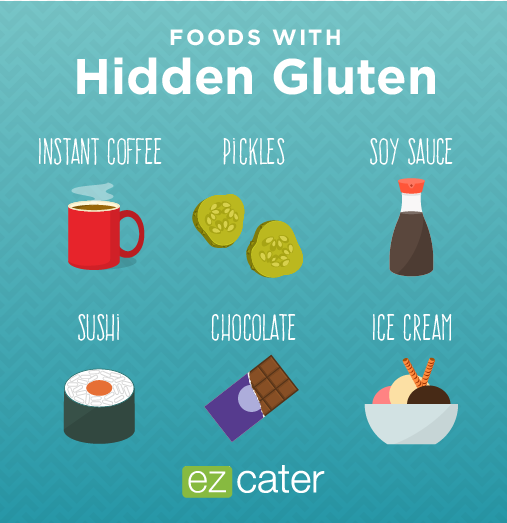
As I mentioned earlier, there are some surprising places you'd find gluten. Like dairy, for example, that can be just as dangerous for the gluten sensitive due to its added hormones, gums, etc. All these can contain gluten, and if you are what you eat, then the items they're feeding/treating livestock with, can cause imbalances in the animals - which then affects you.
Below are some items that have been known to trigger gluten sensitivity.

Before I describe what happens to your gut on gluten and what a leaky gut is, let me quickly define these terms for you.
Gluten Intolerance and sensitivity are often used interchangeably, however, some consider a sensitivity to be a milder form of an intolerance.
However, it doesn't matter whether your gluten sensitive or gluten intolerant. Consuming gluten leads to inflammation and uncomfortable symptoms including bloating, diarrhea, and pain.
Continuted exposure to gluten can also lead to leaky gut and inflammation anywhere in the body. Keep in mind, a lot of gluten is also known to be GMOs which can be just as harmful to your body in the same ways.

Because Celiac disease is a serious autoimmune condition, any gluten they eat damages the villi in their gut, causing nutrient deficiencies.

Those who are diagnosed with celiac disease are at a higher risk of developing another autoimmune disorder.
A recent study published in Gastroenterology showed that celiac disease has increased from one in 650 people to one in 120 people over the last 50 years. With some studies suggesting that up to 30% of the population now suffers from gluten sensitivity.
What boggles the mind, is that an estimated 99% of people with celiac disease or gluten sensitivity are never properly diagnosed!!
More of us than ever are being negatively affected by this protein, and yet most of us don’t even realize it!
Why is this happening??
We’re no longer eating the wheat that our parents or grandparents ate. To have the drought-resistant, bug-resistant, and faster-growing wheat that we have today, they have genetically modified the grain.
It’s estimated that 5 percent of the proteins found in gmo wheat are new proteins that were not found in either of the original wheat plants. And what is a big trigger of autoimmune responses? PROTEIN!!
Which then in turn raises our homocysteine levels; and if we're not methylating correctly our body can't turn it into less dangerous enzymes and amino acids, plus it has extra proteins in it, that are foreign to the human body. Not to mention we can't detox it fast enough. In today's world, there's GMO gluten in many many things.
These “new proteins” we have created are part of a systemic problem that has led to increased systemic inflammation, widespread gluten intolerance, and higher rates of celiac disease or other autoimmune conditions.
Today’s wheat has also been chemically processed which allows it to be water soluble (called deamidation), and it makes it capable of being mixed into almost EVERY KIND of packaged food!!
This deamidation process has been shown to produce a significant immune response in the population. Especially in those with gluten sensitivity and intolerance. Plus, with convenience foods literally filling the entire grocery store, we have many many more options for food. The standard american diet is filled with much more gluten than our ancestors ever ate.
So here's where you got to ask yourself, why is this food so cheap and easy to make and is it worth it?
What happens when eating gluten
Whether you are eating a cookies, donuts, cake, or organic "healthy" 12-grain bread, the effects of gluten on your gut are all the same. When your meal reaches your intestines, transglutaminase (tTG), an enzyme produced in your intestinal wall, breaks down the gluten into its protein building blocks - gliadin and glutenin.
As these proteins make their way through your digestive system, the immune system in your gut, called the GALT, then gets involved.
The GALT is the gut-associated lymphoid tissue. The GALT is the largest mass of lymphoid tissue in the body. It consists of immune cells such as B and T lymphocytes, macrophages, antigen-presenting cells, including dendritic cells, and specific epithelial and intra-epithelial lymphocytes.

The GALT kicks in and looks at the food, looking for potentially harmful substances. In people who have no issues with gluten, the proteins are easily absorbed.
In those with intolerance or sensitivity, the GALT identifies gliadin (gluten proteins) as a dangerous substance and produces antibodies to attack it.
In those with Celiac, these antibodies don’t just attack the gliadin, they attack the tTG as well, which is what originally broke down the gluten into its two part in the first place.
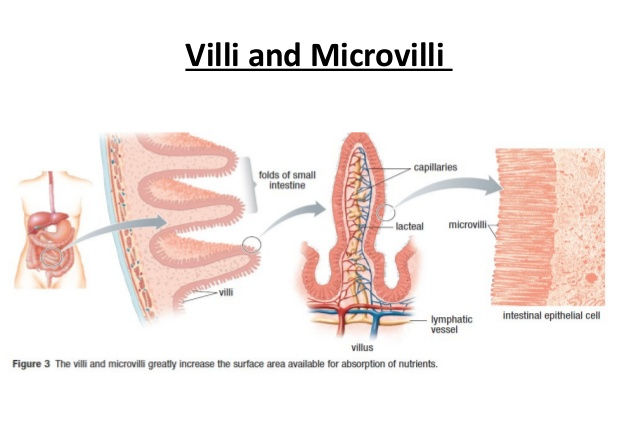
This enzyme, tTG, has a number of jobs, including holding together the microvilli in our gut. Your body collects nutrients by absorbing them through the walls of your intestines, and the more surface area there is, the more they can absorb.
Its kind of like the difference of using a thin dish towel versus like a super absorbant bath towel trying to soak up a bunch of water.
Microvilli, which look like hairy fingers, exist in your intestines to increase the surface area and absorb the nutrients you eat.
When the antibodies your body produced to defend itself against gliadin attack your tTG, these microvilli can atrophy and erode, decreasing your ability to absorb nutrients and can cause leaky gut if you're eating gluten with a sensitivity or intolerance to it.
This can manifest itself in some serious digestive symptoms, including bloating, constipation, diarrhea, weight loss, fat malabsorption, and malnutrition. It can also create a an iron deficiency or anemia, low vitamin D, and even osteoporosis.
This damage of the microvilli is the hallmark of celiac disease.
Regulating the intestinal permeability is one of the basic functions of the epithelial cells that line the intestinal wall. In those who are senstive to gluten can cause the gut cells to release a chemical zonulin; which is a protein that can break apart the tight junctions holding your intestines together.
Once these tight junctions get broken apart, your gut is considered to be leaky. A leaky gut allows toxins, microbes, undigested food particles, and antibodies to escape from your intestines and travel throughout your body via your bloodstream.
The antibodies that escape are the ones that your body produced to attack the gliadin in gluten in the first place.This in turn, creates an autoimmune response that can lead to allergies, food sensitivities, and a host of other issues in the body; including wide spread inflammation.
Unfortunately, these antibodies often confuse more than just tTG for gliadin and end up attacking other organs and systems, from the skin to the thyroid to the brain.
This is why gluten sensitivity is frequently paired with autoimmune conditions, and why those with celiac disease are at risk of developing a second autoimmune disease.
How do I heal?
The single best way is to go completely gluten-free for 30 days, then reintroduce it. Your body will let you know better than any test could. If you feel significantly better when you’re not eating it or feel worse when you reintroduce it, then gluten is going to be a problem for you. Surprisingly, this can still happen even if test say you're not gluten sensitive. Because remember, the body turns it into other proteins, and there are additional proteins in our gluten today than there were 50 years ago. The tests, to my knowledge, do not cover those additional proteins.
The only way to heal if you're sensitive, is to eliminate gluten completely from your diet. However, you can still enjoy eating gluten-free grains such as quinoa, rice, wild rice, millet, and teff.
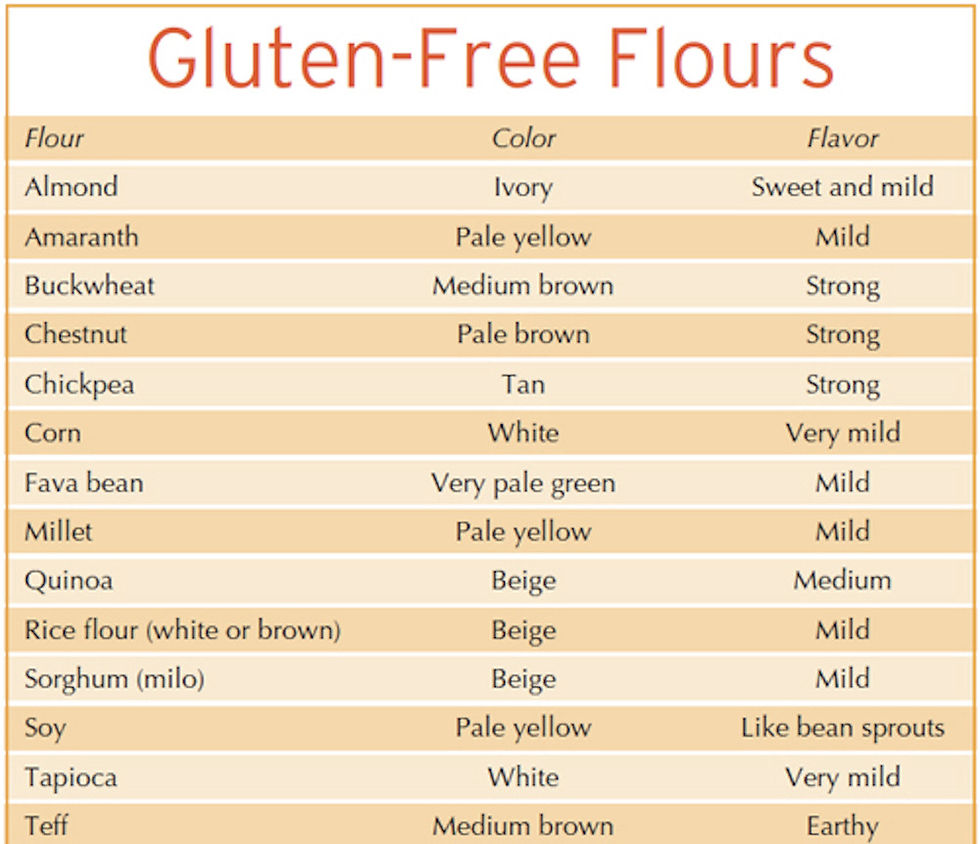
However, I'd be remiss if I didn't mention a few things when it comes to gluten free flours.
Almond can create an autoimmune response if sensitive to nuts or have a leaky gut thats leaking severely.
Corn and Soy flour should ALWAYS be avoided due to their pro-inflammatory capabilities. Rice flour, as well as all carbs, can cause inflammation especially if sensitive to sugar (insulin sensitivity).
Potato flour, pea flour/protein should also be avoided to due pro-inflammatory properties, but also because it creates a type of war in the body where certain enzymes and molecules compete for this protein and thus creating a complex molecule that the body can't break down, utilize, or metabolize properly. This can be especially pro-inflammatory and toxic to you if you have methylation issues.

Because trace amounts of gluten from cross-contamination or medications can be enough to cause an immune reaction in your body; you'll need to skip any food or products that may be suspect. This includes beauty supplies, common household items, vitamins and medications (this is in part why so many folks have to have their meds compounded), and the grocery bins at the store where you scoop your own flours, rices, beans etc.

Concentrate your diet on naturally gluten-free foods such as organic fruits and vegetables as well as grass-fed, fresh organic meat.
If you're not sure if it has gluten; completely avoid it because it simply isn't worth the risk and grief that it'll give you.
Love and Light,
Happy Healing
http://www.gastrojournal.org/article/S0016-5085(09)00523-X/abstract
https://www.ncbi.nlm.nih.gov/pubmed/20130747
https://www.ncbi.nlm.nih.gov/pubmed/11673371
https://www.ncbi.nlm.nih.gov/pubmed/11673371
http://www.jacionline.org/article/S0091-6749(03)70089-X/abstract
https://consults.blogs.nytimes.com/2010/01/12/confirming-a-diagnosis-of-celiac-disease/?_r=1
Comments